
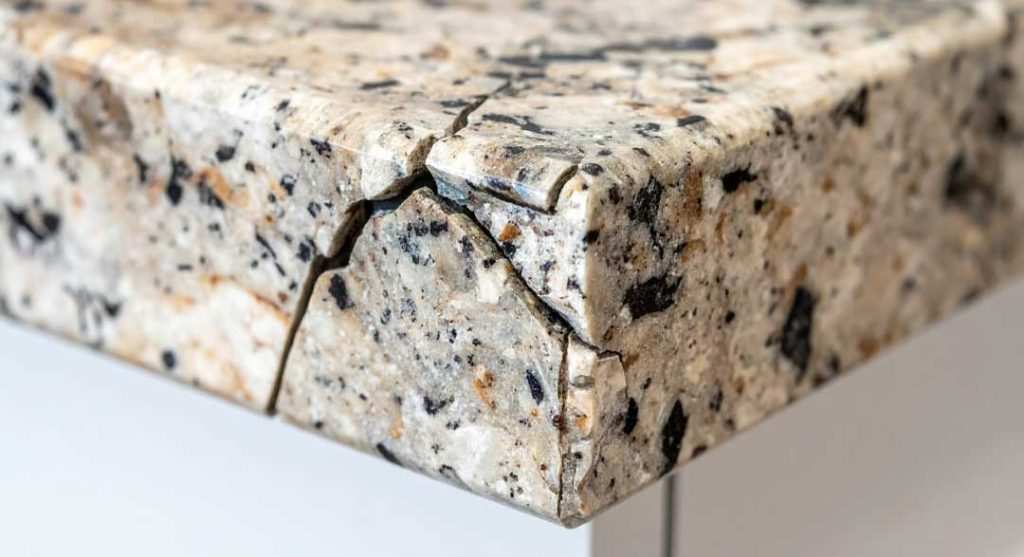
Stone worktops are often chosen for their strength, longevity, and visual appeal, so it can be frustrating when cracks appear not long after installation.
For many homeowners, it raises questions about whether the material is faulty or if something has gone wrong during the process. In reality, cracking is usually the result of underlying issues rather than the stone itself.
It’s worth recognising that even high-quality materials can fail if certain conditions are not met.
From installation errors to structural problems beneath the surface, there are several factors that may contribute. This article looks at the most common causes of worktop cracking and what can be done to avoid it.
Understanding How Worktops Are Installed
The installation of a stone worktop is a fairly precise process that begins with templating. Measurements are taken to ensure the worktop fits perfectly within the kitchen layout, followed by fabrication, where the material is cut and shaped.
Once ready, it is transported to the property and carefully installed onto the existing units.
Each stage needs to be carried out accurately, as small mistakes can have knock-on effects. If something is slightly off during templating or cutting, it may not become obvious until the worktop is fitted.
That is why experienced installers tend to follow a strict process, aiming to minimise the risk of issues later on.
Poor Support and Weak Substructures
One of the more common causes of cracking is inadequate support beneath the worktop. Stone is incredibly strong under compression but doesn’t respond well to bending or flexing.
If the cabinets below are uneven or not properly secured, it can create pressure points that eventually lead to cracks.
This tends to be more noticeable in areas with overhangs or where heavy appliances are fitted nearby.
Even a small gap between the worktop and the supporting surface may cause stress over time. Ensuring a solid, level base is in place is often one of the most important parts of the installation.
Incorrect Measurements and Templating Errors
Accurate measurements are essential when working with stone, as there is very little room for adjustment once it has been cut.
If templating is done incorrectly, the worktop may not sit naturally in place. In some cases, installers may try to make it fit, which can introduce unnecessary stress.
These forced adjustments might not cause immediate damage, but they can weaken the structure over time.
Even a slight misalignment can lead to pressure building up in certain areas. It’s one of those issues that may not be visible at first but becomes problematic later.
Stress Around Cut-Outs and Edges
Certain parts of a worktop are more vulnerable than others, particularly around cut-outs for sinks and hobs.
These areas are thinner and have less structural support, which makes them more prone to cracking. If not handled carefully during fabrication, they can develop weak points.
Edges can also be at risk, especially if they are designed to be slim or decorative.
While these finishes look appealing, they may reduce the overall strength in those sections. Reinforcement and careful cutting are usually needed to maintain durability.
Thermal Shock and Heat Exposure
Although many stone worktops are heat resistant, they are not completely immune to sudden temperature changes.
Placing a very hot pan directly onto a cold surface can cause thermal shock. This rapid temperature change may lead to cracking in some materials.
It doesn’t happen in every case, but it’s a risk that is often underestimated. Using trivets or heat-resistant mats is a simple way to reduce the likelihood.
Over time, repeated exposure to extreme heat can also weaken the surface, even if cracks do not appear straight away.
Movement in the Property
Buildings naturally shift over time, and this movement can affect fitted elements like worktops.
In newer properties or extensions, settling is more common, which may cause slight changes in the position of cabinets or flooring. These small shifts can transfer stress onto the worktop.
Although the movement is usually minimal, the stone lacks the flexibility to accommodate it easily.
As a result, pressure can build up in certain areas, leading to cracks. It’s something that may develop gradually rather than appearing immediately after installation.
Installation Handling and Transport Damage
Worktops are heavy and require careful handling throughout transport and installation.
If the material is knocked or improperly supported during delivery, it can develop small fractures. These may not be visible at first, but can worsen once the worktop is in place.
By the time the crack becomes noticeable, it may seem like it appeared out of nowhere.
In reality, the damage may have started earlier in the process. This is why experienced teams take extra care during handling, using the right equipment and techniques.
Poor Quality Materials or Fabrication
The quality of the material itself can also play a role in how well it performs over time.
Lower-grade stone or poorly manufactured surfaces may contain inconsistencies that make them more prone to cracking. These weaknesses are not always obvious during selection.
Fabrication is equally important, as rushed or imprecise cutting can introduce faults.
If corners are cut during production, it may compromise the overall strength of the worktop. Choosing a reputable supplier often reduces the likelihood of these issues.
How to Prevent Worktop Cracks
Preventing cracks usually comes down to getting the basics right from the start. Working with experienced installers, ensuring accurate measurements, and having a properly prepared base can make a significant difference.
Attention to detail at each stage tends to reduce the risk.
After installation, simple habits such as using heat protection and avoiding excessive weight on unsupported areas can help maintain the surface.
It’s often a combination of professional installation and sensible day-to-day use that keeps a worktop in good condition.
What to Do If Your Worktop Cracks
If a crack does appear, the first step is to contact the installer or supplier.
They may be able to assess whether the issue is due to installation, material faults, or external factors. In some cases, it could be covered under a warranty, depending on the circumstances.
Minor cracks can sometimes be repaired using specialist techniques, though the results may vary.
More significant damage might require a section to be replaced. Acting quickly can prevent the problem from worsening and limit the overall cost.
Conclusion
Cracks in worktops can be disappointing, particularly when the expectation is long-term durability.
However, they are rarely caused by a single factor and are more likely the result of a combination of issues. Understanding these causes makes it easier to avoid them.
With proper installation, quality materials, and a bit of ongoing care, stone worktops can perform well for many years.
While problems can occur, they are often preventable with the right approach from the outset.